


Colorado’s Mining Towns: Which One Is Worth Your Day
Colorado was built on a hunch that there was gold in the hills. In a few places the hunch paid off spectacularly, and the towns that boomed are still standing: brick main streets, opera houses built on silver money, headframes on the hillsides and mine tunnels you can walk into. Late fall and early winter happen to be one of the best times to visit them. The summer crowds are gone, the hotels are cheaper, the first snow makes every Victorian storefront look like a Christmas card, and several of these towns go all in on the holidays.
The trouble is picking one. Every mining town claims to be the most authentic, and online lists treat them as interchangeable. They are not. Some are 45 minutes from Denver and some are a full day’s drive. Some still run year-round mine tours and some shut their underground attractions in October. Here is a straight comparison so you can match the town to the kind of day you want.
The Quick Pick
- Short on time, want a train: Georgetown
- Want to go underground this weekend: Idaho Springs
- Want the most history per block: Leadville
- Coming from Colorado Springs or want a little nightlife: Cripple Creek and Victor
- Want an opera house and a big-city day trip: Central City
- Want the wildest setting and do not mind the drive: Silverton
Side by Side
| Town | Drive from Denver | Elevation | Best for | Winter verdict |
|---|---|---|---|---|
| Idaho Springs | About 40 minutes | 7,500 ft | Mine tours, hot springs, pizza | Excellent, mine tours run all year |
| Georgetown | About 50 minutes | 8,500 ft | Holiday trains, Victorian streets | Excellent, peak season in December |
| Central City | About 1 hour | 8,500 ft | Opera house history, easy day trip | Good, quieter outside events |
| Leadville | About 2 hours | 10,152 ft | Deep history, museums, real mountain town | Very good, dress warm |
| Cripple Creek and Victor | About 2 hours (1 hour from Colorado Springs) | 9,500 ft | Gold camp history, casinos, quiet trails | Good, some tours are summer only |
| Silverton | About 6.5 hours (1 hour from Durango) | 9,300 ft | Dramatic scenery, true remoteness | For the committed, roads can close in storms |
Idaho Springs: The Easy Win
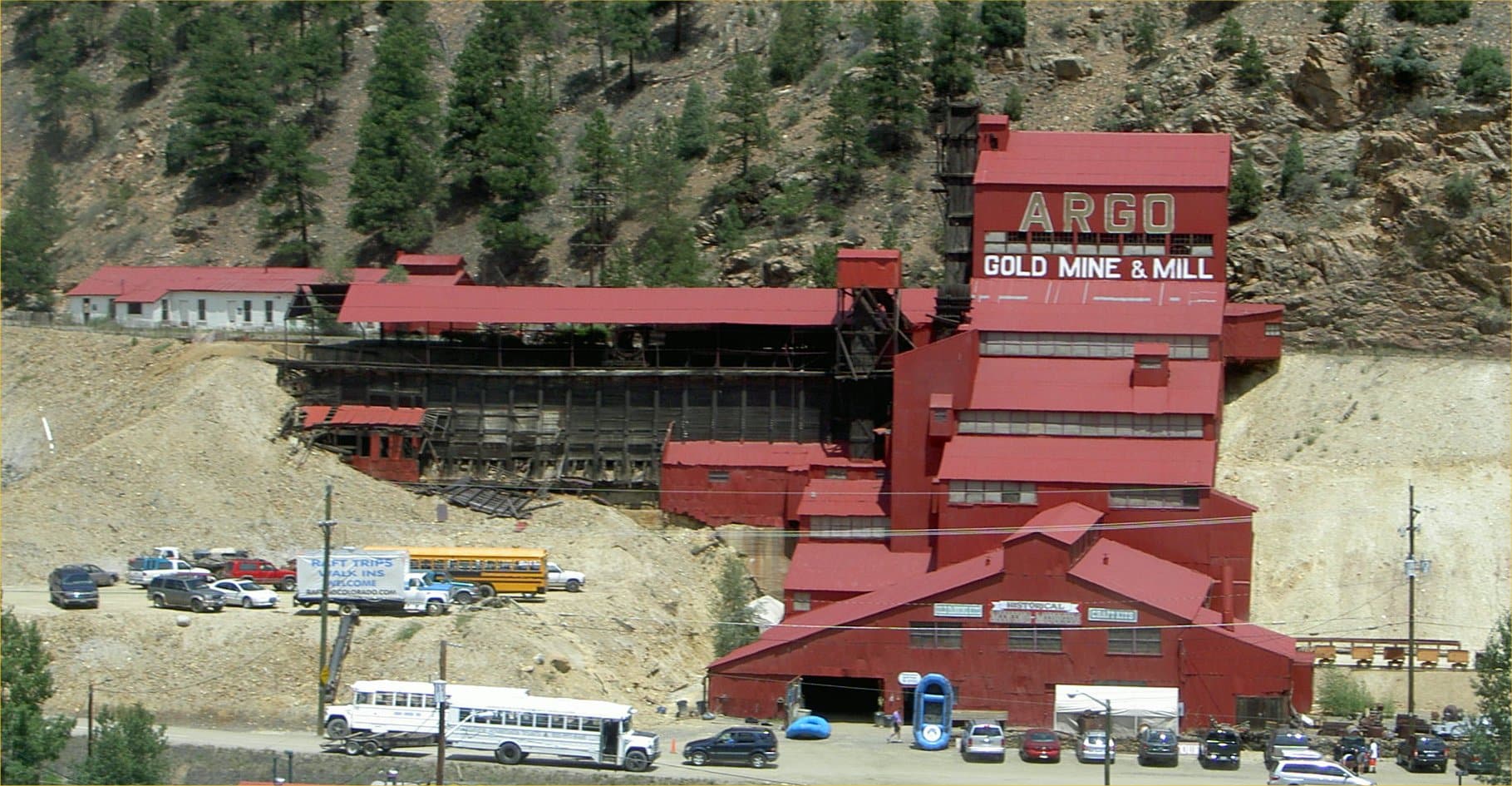
Idaho Springs is where Colorado’s gold rush started. A prospector found placer gold at the mouth of Chicago Creek in early 1859, and the rush that followed put the territory on the map. Today the town sits right off I-70, which makes it the easiest mining town to fit into a Saturday.
Why go now: The Phoenix Gold Mine runs underground tours year-round, and when the creek is too cold for panning they move it indoors. The Argo Mill, a hulking five-story mill on the hillside, is the landmark everyone photographs on the drive in.
Make a day of it:
- Tour the Phoenix, then warm up at Indian Hot Springs, a soaking spot that has been pulling in tired miners since the 1860s
- Stroll Miner Street’s shops and grab a mountain pie at Beau Jo’s, the Colorado-style pizza institution that started here
- Pair it with Georgetown, 15 minutes up the road, for a full mining-town loop
Best for: families, first-timers, and anyone who wants to get underground without a long drive.
Georgetown: The Holiday Favorite
If you only pick one mining town in December, make it Georgetown. Its silver-boom downtown is a National Historic Landmark District with more than 200 restored buildings, and the town treats the holidays like a sacred duty.
Why go now: The Georgetown Loop Railroad runs its holiday trains through the season, climbing the switchbacks and the high bridge over Clear Creek between Georgetown and Silver Plume. They sell out, so book early. The free Georgetown Christmas Market fills the streets the first two weekends of December with an old-world outdoor market, roasted chestnuts and horse-drawn wagon rides.
Make a day of it:
- Ride the train, then walk 6th Street for the hand-lettered storefronts and hot cider
- Tour the Hotel de Paris Museum, a lavish 1875 hotel that shows how well the silver money lived
- Stop at the bighorn sheep viewing area on the edge of town; winter is when the herd comes down low
For more on the train itself, and how it stacks up against the Durango, Cog and Royal Gorge lines, see our complete guide to Colorado train rides.
Best for: couples, grandparents with grandkids, and anyone who wants a holiday tradition that is less than an hour from home.
Central City: The Opera House Town
In the 1860s, the gulch between Central City and Black Hawk was called the richest square mile on Earth. The money built the Central City Opera House in 1878, and it still stages a summer season today, which makes it one of the oldest operating opera houses in the country.
Why go now: Central City is quieter in the cold months, which is the point. You get the stone storefronts and steep, winding streets mostly to yourself.
Make a day of it:
- Walk Eureka Street and peek into the Opera House and the Teller House next door
- Visit the Gilpin History Museum for the story of the district’s boom years
- Take the Central City Parkway in from I-70 for an easy, well-maintained winter drive
Best for: history readers and anyone who wants a short, low-effort day trip with a good lunch at the end.
Leadville: The Real Thing
Leadville is the highest incorporated city in North America at 10,152 feet, and it does not feel like a museum piece. People live and work here. At its silver peak in the 1880s it was briefly the second-largest city in Colorado, and the Tabors, the Guggenheims and Molly Brown all passed through. Few places tell the whole story of Colorado mining as well.
Why go now: The National Mining Hall of Fame and Museum stays open through winter, Tuesday through Sunday, with replica mine tunnels, mining tools and a serious gold and mineral collection. The historic Tabor Opera House anchors a downtown that looks much as it did a century ago.
Make a day of it:
- Spend the morning at the Hall of Fame, then walk Harrison Avenue for coffee and the old storefronts
- Take in the Mineral Belt Trail, a paved loop past old mine sites that turns into a winter walking and Nordic route when the snow comes
- Ski Cooper, 10 miles away, is one of the friendliest small ski areas in the state once it opens in December
Our Leadville town guide has the full rundown on where to eat, stay and explore. The Matchless Mine and Baby Doe’s Cabin are a warm-season stop, so save them for a summer return.
Best for: history lovers, photographers, and anyone who wants the most authentic mining town on this list. Bring a real coat; Leadville winters are no joke.
Cripple Creek and Victor: The Gold Camp
Cripple Creek and Victor sit on the back side of Pikes Peak in what was once among the richest gold districts in the world. Cripple Creek turned to limited-stakes gaming in 1991 and it shows on Bennett Avenue, but the history is still close at hand. Victor, six miles away, stayed quiet and feels frozen in 1900.
Why go now: The Vindicator Valley Trail outside Victor is an easy two-mile loop past 1890s headframes and the ghost camp of Independence, with interpretive signs the whole way. It stays open in winter for walking, snowshoeing or cross-country skiing. Cripple Creek’s famous wild donkeys wander town year-round, and the casinos keep the lights on after dark.
Make a day of it:
- Start at the Cripple Creek Heritage Center for the big-picture story and the view over the district
- Walk Victor’s main street and the Victor Lowell Thomas Museum
- Have dinner in Cripple Creek before the drive home
The Mollie Kathleen mine tour and the narrow-gauge railroad are warm-season attractions, so plan a second trip for those. Our Cripple Creek town guide covers lodging and the summer calendar.
Best for: Colorado Springs locals, couples who like a little nightlife, and anyone curious about the gold side of Colorado’s mining story.
Silverton: The Wild One
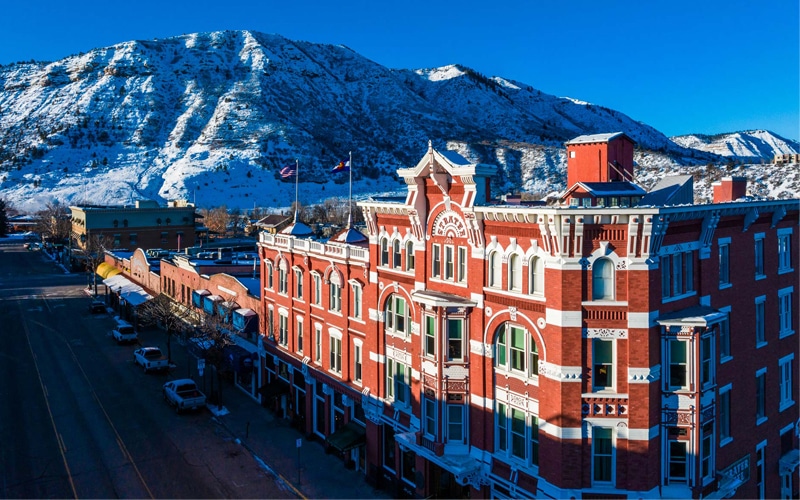
Silverton sits alone in a high bowl of the San Juan Mountains at about 9,300 feet, surrounded by peaks and old mine workings. It is the most dramatic setting on this list and the hardest to reach, which is exactly why people love it.
Why go now: Winter Silverton is a tiny, snowbound mountain town with almost no tourists. Kendall Mountain offers a small, affordable town ski hill with sledding and skating, and expert skiers make the pilgrimage to Silverton Mountain once it opens in December. In summer the Durango & Silverton train runs all the way into town; in winter it turns around at Cascade Canyon, so plan on driving in over Highway 550.
Make a day of it:
- Walk Greene Street and notorious Blair Street, once the red-light district
- Warm up in a Main Street cafe and look up at the peaks in every direction
- If you are in Durango anyway, check out our one-day Silverton itinerary for the summer version with the train
Best for: adventurers, photographers, and anyone already in southwest Colorado. Check road conditions before you go; the passes can close in storms.
How to Choose
Ask yourself three questions:
- How far do you want to drive? Under an hour points you to Idaho Springs, Georgetown or Central City. Two hours opens up Leadville and Cripple Creek. Silverton is its own trip.
- Do you want to go underground? In winter, the Phoenix in Idaho Springs is the surest bet. Many other mine tours close for the season.
- What is the rest of the day? Trains and Christmas markets point to Georgetown. Museums and authenticity point to Leadville. A little nightlife points to Cripple Creek. Scenery for its own sake points to Silverton.
Planning Tips for a Winter Mining-Town Trip
- Altitude is real. Most of these towns sit between 7,500 and 10,152 feet. Drink water and take it easy on the first walk uphill.
- Check seasons before you go. Many mine tours, narrow-gauge trains and historic sites run only from late spring to early fall. Call ahead or check the attraction’s own site.
- Book holiday trains early. The Georgetown Loop’s holiday trains are among the first things in Colorado to sell out each December.
- Watch the weather. I-70 and the mountain passes can turn quickly. Check COtrip.org before you leave and carry a warm layer, water and a phone charger.
- Go midweek if you can. Even in winter, Saturdays in Georgetown and Idaho Springs can get busy, especially on market and train weekends.
The Bottom Line
There is no single best Colorado mining town, only the right one for the day you have. For an easy holiday outing, go to Georgetown. To actually walk into a mine, go to Idaho Springs. For history that still feels alive, Leadville is the one that stays with you. And if you want to stand in a snowy mountain bowl and feel very far from everything, put Silverton on the calendar.