
Denver, Colorado: The Mile High City Where the Rockies Meet the Urban Grid
Denver sits at exactly 5,280 feet above sea level — one precise mile — and that singular fact shapes everything about the city. The air is thinner and the sky is a deeper shade of blue than you’ll find in most American cities. The sunlight arrives with extra intensity, which partly explains why Denver logs more than 300 sunny days per year, more than Miami or Los Angeles. From almost anywhere in the city, the Front Range of the Rocky Mountains fills the western horizon in a jagged, snow-capped panorama that never quite loses its ability to stop you mid-sentence. Denver is a city that lives outside, embraces craft culture, and wears its Western roots honestly — even as it has grown into one of the most dynamic urban centers in the American West.
The city proper holds around 715,000 residents, with the broader metro pushing close to three million. It is Colorado’s capital, its largest city, and in many ways its personality — a place where a Broncos game can feel like a civic holiday, where the 16th Street Mall hums with foot traffic on a Tuesday afternoon, and where the conversation in any given coffee shop is likely to touch on weekend ski conditions, the latest brewery opening, and city council politics all in the same breath. Denver is a working city with real neighborhoods, real grit, and real charm, not just a gateway to the mountains.
Denver works for almost every kind of visitor. Families come for the Denver Zoo, the Museum of Nature and Science, and easy day trips to Rocky Mountain National Park. Art lovers make pilgrimages to the Denver Art Museum’s striking Frederic C. Hamilton Building and to the RiNo Art District’s ever-rotating murals. Outdoor enthusiasts use Denver as a base camp for skiing, hiking, mountain biking, and everything else the Front Range puts within reach. And increasingly, food-and-drink travelers are arriving specifically for Denver’s restaurant scene, which has quietly become one of the most exciting in the Mountain West.
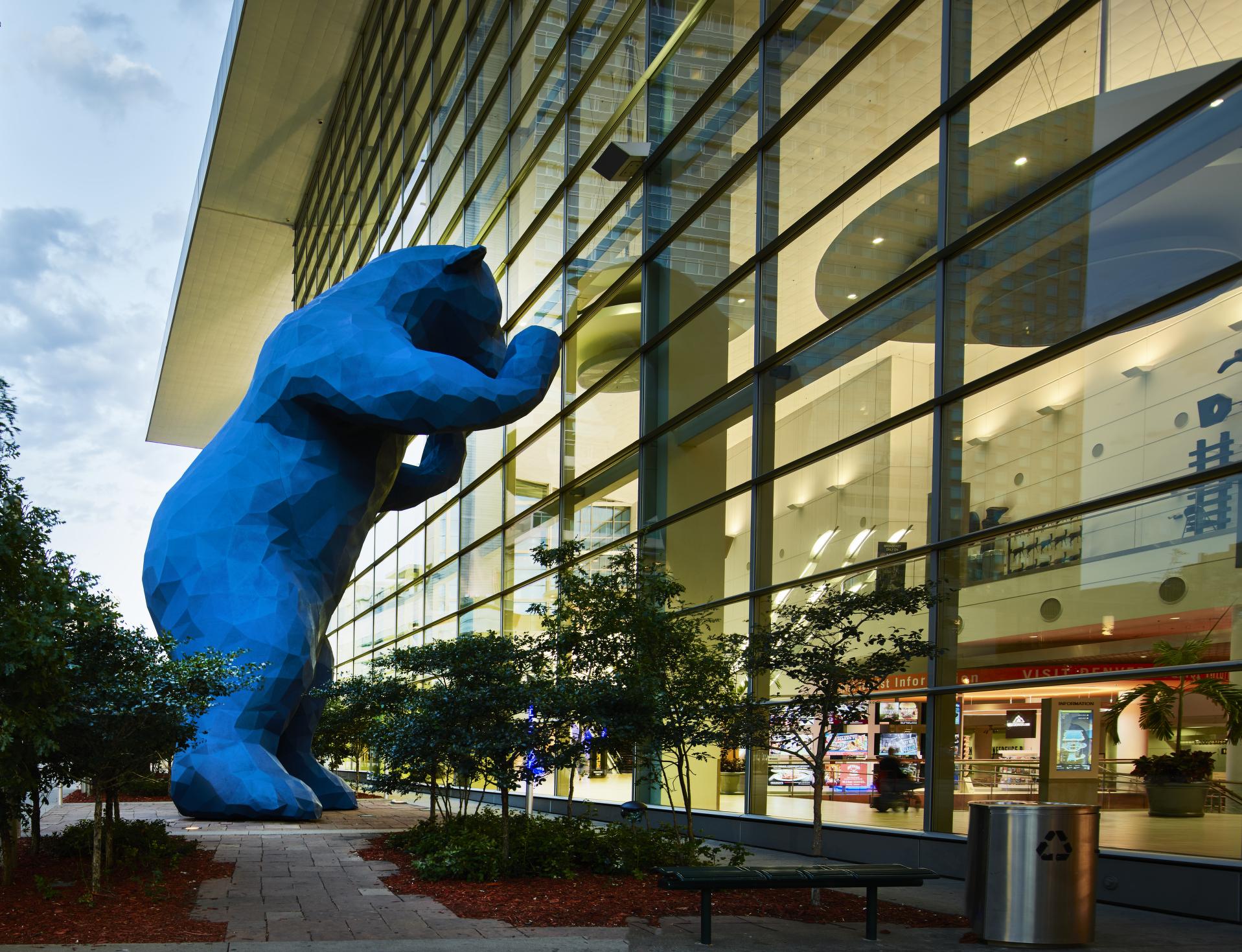
Quick Facts About Denver
| Elevation | 5,280 feet (1,609 m) |
| Population | ~715,000 (city); ~3 million (metro) |
| County | Denver County (consolidated city-county) |
| Distance from Denver | 0 miles — this is Denver |
| Distance to Boulder | 30 miles northwest |
| Distance to Breckenridge | 80 miles southwest (about 1.5 hrs) |
| Average Annual Sunshine | 300+ days per year |
| State Capital | Yes |
A Brief History of Denver
Denver’s origin story is one of gold fever and opportunism. In 1858, a small party of prospectors found gold at the confluence of Cherry Creek and the South Platte River — not enough to get rich on, but enough to set off a stampede. Within months, a collection of competing camps had sprung up, and by 1859, a man named William Larimer had claimed a townsite on the high ground above the creek and named it after James W. Denver, the governor of Kansas Territory (which then encompassed this area), hoping the flattery might earn the town a post office. It worked. Denver got its post office and its name stuck, even though Denver the man had already resigned as governor by the time the town was platted.
The Pikes Peak Gold Rush of 1859 flooded the region with “59ers” and transformed the scrappy settlement into a real town with hotels, saloons, and a newspaper. When the more substantial silver and gold strikes came in the mountains to the west — in places like Leadville, Central City, and eventually Telluride and Cripple Creek — Denver positioned itself not as a mining town but as the supply hub, the banking center, the railroad crossroads for all of it. The arrival of the transcontinental railroad spur in 1870 (Denver had lobbied furiously to be included after the main line bypassed it) cemented the city’s role as the commercial capital of the entire Rocky Mountain region. By the 1880s, Denver had fine hotels, opera houses, mansions on Capitol Hill, and a self-image that it has never entirely lost: the sophisticated city that the rough-and-tumble mountains feed.
The 20th century brought the aviation age, the rise of the oil and gas industry, and — critically for Denver’s character — a post-World War II suburban boom that sprawled the metro across the plains while leaving downtown underused for decades. The real revival came in the 1990s with the opening of Coors Field (1995), the construction of the Pepsi Center arena, and a sustained reinvestment in LoDo and the Central Platte Valley. The opening of Denver International Airport in 1995 connected the city to global commerce. Today’s Denver is genuinely prosperous, with a tech-sector economy layered over its traditional energy and government base, and a population that has grown by more than 20 percent since 2010.
Denver’s Neighborhoods
Denver is a city of distinct neighborhoods, each with its own identity and its own reasons to visit. Understanding the geography helps you make the most of your time here.
LoDo (Lower Downtown)
LoDo is Denver’s historic core, roughly bounded by 20th Street, Larimer Street, the South Platte River, and Coors Field. The neighborhood is built around late-19th-century brick warehouses that have been converted into restaurants, bars, galleries, and offices. Union Station anchors the western end of LoDo and serves as a social hub — the grand hall doubles as a hotel lobby and cocktail lounge, and the surrounding blocks are Denver’s most concentrated dining and nightlife district. Larimer Square, a single preserved Victorian block on Larimer Street between 14th and 15th, is the oldest and most photographed commercial block in the city.
RiNo (River North Art District)
Just northeast of LoDo, RiNo (River North) has become Denver’s most talked-about neighborhood in the past decade. What was an industrial wasteland of warehouses and rail yards has transformed into a dense concentration of breweries, cocktail bars, restaurants, galleries, and boutique hotels, all set against a backdrop of some of the most ambitious street murals in the country. The Great Divide Brewing Company and the Infinite Monkey Theorem urban winery are RiNo staples. The neighborhood is best explored on foot — give yourself a couple of hours to wander Brighton Boulevard and Larimer Street and read the walls.
Capitol Hill and Cheesman Park
Capitol Hill, immediately east of downtown, is Denver’s most architecturally rich neighborhood — a mix of grand Victorian mansions, Craftsman bungalows, and 1970s apartment blocks. The Colorado State Capitol building sits at the top of the hill, its gold dome (gilded with Colorado gold) visible from miles away. The steps of the Capitol are famously marked at exactly 5,280 feet above sea level. Cheesman Park, a 80-acre formal park to the east, is surrounded by some of the best residential architecture in the city and serves as a neighborhood gathering place year-round.
Cherry Creek
Cherry Creek, about two miles southeast of downtown, is Denver’s upscale shopping and dining district. The Cherry Creek Shopping Center anchors one end, while the Cherry Creek North neighborhood along 2nd and 3rd Avenues offers an open-air district of boutiques, art galleries, and some of the city’s best restaurants. The Cherry Creek Trail runs through the neighborhood along the creek itself, providing a pleasant multi-use path back toward downtown.
Washington Park (Wash Park)
Washington Park is the neighborhood that Denverites tend to move to when they’re ready to put down roots. Centered on the 165-acre Washington Park itself — with its two lakes, formal gardens, boathouse, and miles of paths — the surrounding blocks are lined with bungalows, cafes, and a neighborhood commercial strip on South Gaylord Street that feels like a small town dropped into the city. On a weekend morning, the park hosts an informal cycling scene, a farmers market atmosphere of joggers and dog walkers, and enough recreational volleyball to fill a city league.

Outdoor Recreation in Denver
Denver’s outdoor life is one of its most underrated assets. You don’t have to drive to the mountains to get a genuine outdoor experience — the city itself is laced with trails, parks, and natural areas that can absorb hours of exploration.
Cherry Creek Trail
The Cherry Creek Trail runs 40 miles from Castlewood Canyon State Park in the southeast all the way through the heart of Denver to the South Platte River confluence, passing through Cherry Creek Reservoir, Cherry Creek North, and LoDo along the way. Within the city, the most popular segment runs about 8 miles from Cherry Creek Reservoir to the Confluence Park at the river. It’s paved, well-maintained, and connects to the broader Denver trail network. Rent a bike from B-Cycle (Denver’s bike-share system) near Union Station and ride the whole in-city section in an easy 90 minutes.
South Platte River Trail
The South Platte River Trail runs more than 30 miles through metropolitan Denver, following the river from Chatfield Reservoir in the south through downtown and northward toward Commerce City. The most scenic urban stretch passes through Confluence Park — where Cherry Creek meets the Platte — and continues north through the Highland neighborhood and the Central Platte Valley, passing under highway bridges and through pocket parks. This is a genuinely pleasant urban trail, especially in the mornings when the light hits the water and you can forget you’re in a city of three million people.
Rocky Mountain Arsenal National Wildlife Refuge
One of Denver’s best-kept outdoor secrets is the Rocky Mountain Arsenal National Wildlife Refuge, located just 10 miles northeast of downtown on land that was previously a chemical weapons manufacturing site. After a decade-long cleanup, the 15,000-acre refuge opened as a wildlife area and is now home to bison, white-tailed deer, bald eagles, short-eared owls, and prairie dogs. The Fish and Wildlife Service offers free auto tour routes and a network of hiking and biking trails totaling about 10 miles. Entry is free. The bison herd — around 80 animals — is the highlight and can often be spotted from the main road through the refuge.
Washington Park and City Park
For in-city green space, Washington Park (165 acres, two lakes, 2.6-mile perimeter loop) and City Park (330 acres, home to the zoo and the Museum of Nature and Science) are the two great urban parks. City Park’s main loop is 1.5 miles and offers one of the best views of the downtown skyline with the mountains behind it — the classic Denver postcard shot, especially at sunset. Both parks have paddleboat rentals in summer and are heavily used for pickup sports, picnics, and the kind of unstructured afternoon that cities should have more of.
Red Rocks and Denver’s Live Music Legacy
If Denver has a single signature experience that you can’t replicate anywhere else on earth, it is Red Rocks Amphitheatre. Located 15 miles west of downtown in Morrison, Red Rocks is a 9,525-seat outdoor concert venue built into two massive sandstone formations — Ship Rock and Creation Rock — that serve as natural walls for one of the most acoustically perfect settings in the world. The U2 concert film “Under a Blood Red Sky” was recorded here in 1983. The Grateful Dead played it for years. Radiohead, Widespread Panic, Phish, and essentially every major touring act has made Red Rocks a mandatory stop. Shows happen from May through October, and even a mid-tier act sounds transcendent when you’re sitting under those red rocks watching the sun set over the Denver skyline in the distance.
Beyond Red Rocks, Denver has a music culture that punches well above its weight. The Ogden Theatre on Colfax Avenue has been hosting shows since 1917 and remains one of the best mid-sized venues in the country. The Gothic Theatre in Englewood, the Bluebird Theater on Colfax, and the Fillmore Auditorium on Clarkson Street round out a constellation of venues that keeps Denver on tour routing for acts of every size. The city’s homegrown music scenes — country, jam band, hip-hop, indie — have all produced nationally known artists, and on any given weekend night, there is live music happening in a dozen Denver bars and clubs simultaneously.
Denver’s sports culture deserves its own mention alongside the music. The city has five major professional sports franchises — the Broncos (NFL) at Empower Field at Mile High, the Rockies (MLB) at Coors Field in LoDo, the Nuggets (NBA) and Avalanche (NHL) at Ball Arena, and the Rapids (MLS) in Commerce City. Attending a Rockies game on a summer afternoon at Coors Field, with the mountain backdrop beyond the left-field bleachers and a cold Colorado craft beer in hand, is one of the quintessential Denver experiences. The stadium district around 20th and Blake Streets has become one of the city’s most active entertainment areas on game days and beyond. Check the Denver Tourism website for current event schedules and ticket availability.
Food and Drink in Denver
Denver’s restaurant scene has matured rapidly over the past 15 years and now offers genuine depth across every cuisine type and price point. A few anchors are worth knowing about.
For breakfast, Snooze an A.M. Eatery has multiple Denver locations and perfected the art of the creative egg dish and the boozy brunch cocktail — expect a wait on weekends, but the pineapple upside-down pancakes are worth it. Root Down in Highland serves a globally influenced brunch and dinner menu in a converted gas station and has been a Denver institution since 2008. For a quick, reliable morning meal, any of the independent cafes along South Gaylord Street in the Wash Park neighborhood will treat you well.
Lunch and dinner offer a longer list. Mercantile Dining and Provision inside Union Station is one of Denver’s most celebrated restaurants, with a menu driven by local produce and proteins that changes constantly. Steuben’s in Uptown serves elevated American comfort food — fried chicken, fish and chips, clam chowder — in a retro diner setting that manages to feel nostalgic and current at once. For green chile, the signature dish of Colorado’s Mexican-American food tradition, go to Santiago’s or Chubby’s and get a breakfast burrito smothered in the stuff: a thick, green, pork-laden chile sauce that is addictive in a way that defies rational explanation.
Denver has somewhere north of 300 breweries in the metro area, the highest concentration of any city in the United States. Within the city, Great Divide Brewing (RiNo), Breckenridge Brewery (LoDo taproom), Wynkoop Brewing (Denver’s first craft brewery, founded in 1988 by current Colorado governor John Hickenlooper), and TRVE Brewing (a heavy metal-themed craft brewery that makes genuinely excellent beer) represent the range. For cocktails, Williams and Graham in LoHi is consistently ranked among the best bars in the country — find the hidden entrance, settle in, and try the house Old Fashioned. My Brother’s Bar on Platte Street, for contrast, claims to be the oldest bar in Denver and makes no pretense of being anything other than a neighborhood tavern where you eat a burger and drink a beer.
Where to Stay in Denver
Denver’s hotel scene has expanded considerably with the city’s growth, and the options now span every category from historic grand hotels to boutique newcomers to budget-friendly chains.
The Oxford Hotel in LoDo, built in 1891, is Denver’s most storied hotel — a 80-room property that has been sensitively restored and sits half a block from Union Station. It feels genuinely historic without being fusty. The Crawford Hotel, actually inside Union Station itself, offers the unique experience of staying in a renovated train terminal, with rooms that look out over the great hall. For a more contemporary luxury option, the Four Seasons Denver in the heart of downtown delivers the full service experience with an exceptional rooftop pool. The Halcyon in Cherry Creek is a design-forward boutique property with a rooftop bar that has become a neighborhood gathering spot.
For mid-range travelers, the Kimpton hotels (Hotel Born near Union Station, Hotel Monaco on 17th Street) offer good design, central locations, and the brand’s signature pet-friendly, personality-forward service. Budget travelers have solid options in the Capitol Hill and Uptown neighborhoods, where older apartment-style hotels and well-run independent properties offer clean, central rooms without downtown prices. Denver also has a strong short-term rental inventory across all neighborhoods — useful for longer stays or families who need kitchen access.
Day Trips from Denver
Denver’s position at the base of the Front Range makes it one of the best-situated cities in the country for day tripping. Within two hours, you can reach world-class ski areas, a UNESCO World Heritage Site, a college town with a vibrant food scene, and the highest paved road in North America.
Rocky Mountain National Park (65 miles, ~1.5 hours)
Rocky Mountain National Park is the obvious choice for a day trip from Denver and it earns the attention. The park covers more than 415 square miles of alpine terrain, with Trail Ridge Road crossing the Continental Divide at over 12,000 feet and offering above-treeline tundra views for miles. Day hike options range from the flat, lake-level stroll around Bear Lake (0.8 miles round-trip) to the challenging climb to Flattop Mountain (8.2 miles round-trip with 2,850 feet of elevation gain). The Bear Lake corridor trails are beautiful and well-maintained; go early to secure a parking spot, or take the free park shuttle from the Estes Park Visitor Center. Timed-entry permits are required in summer — book through the National Park Service website well in advance.
Boulder (30 miles, ~45 minutes)
Boulder is Denver’s intellectually restless sibling — a university town, a tech hub, and an outdoor recreation mecca compressed into a compact, walkable city at the foot of the Flatirons. The Pearl Street Mall is a four-block pedestrian zone lined with restaurants, boutiques, and street performers. Chautauqua Park at the base of the Flatirons offers immediate access to a trail network that ranges from easy meadow walks to serious technical climbs. The Royal Arch Trail (3.4 miles round-trip, 1,370 feet of gain) rewards its climbers with a natural stone arch and a panoramic view of Boulder and the plains beyond. Plan to spend at least four hours in Boulder to do it justice.
Breckenridge (80 miles, ~1.5 hours via I-70)
In winter, Breckenridge is one of the most accessible ski resorts from Denver — about 90 minutes on a good day via I-70 over the Continental Divide at Eisenhower Tunnel (11,013 feet). The resort itself has five peaks and over 3,000 acres of skiable terrain, with a well-preserved Victorian mining town at its base that offers good food, lodging, and the lively energy of a resort town that actually has a year-round local community. In summer, Breckenridge becomes a mountain biking and hiking destination, and the Peak 8 area gondola lifts you to 12,998 feet without requiring a single uphill step.
Colorado Springs and Pikes Peak (65 miles, ~1 hour)
Colorado Springs sits an hour south of Denver on I-25 and offers a full day’s worth of attractions. The Garden of the Gods — 1,341 acres of dramatic red sandstone formations rising against the backdrop of Pikes Peak — is a free city park and one of the most visually striking places in Colorado. The Pikes Peak Highway climbs 19 miles to the summit at 14,115 feet, where the summit house serves the famous high-altitude donuts that taste inexplicably better at 14,000 feet. For history, the Manitou Springs area just west of Colorado Springs has the Cog Railway, the Cave of the Winds, and a charming mineral spring town that feels like a Victorian spa resort that never quite modernized, and meant it as a compliment.
Planning Your Visit to Denver
Getting There
Denver International Airport (DEN) is one of the busiest airports in the United States, with direct service from virtually every major American city and many international destinations. The airport is located 25 miles northeast of downtown — about 35 minutes by car in normal traffic, longer during rush hour. The A Line commuter rail connects DEN to Union Station in downtown Denver in exactly 37 minutes, runs every 15 minutes during peak hours, and costs $10.50 one way. It is the single easiest airport-to-downtown connection of any major American city. Denver International Airport’s website has current transit and ground transportation details.
Getting Around
Denver’s RTD light rail and bus rapid transit network covers much of the metro area. The free 16th Street MallRide shuttle runs the length of the 16th Street pedestrian mall, connecting Civic Center Station to Union Station. For most visitors staying downtown or in LoDo, walking and the free MallRide will handle most daily movement. The Cherry Creek neighborhood is about 2 miles from downtown — bike-share or a quick rideshare ride. For day trips into the mountains, you will need a car; rental cars are available at DEN and at multiple downtown locations. RTD Denver has route maps and trip planning tools.
Best Time to Visit
Denver is genuinely a year-round destination. Summer (June–August) brings warm, sunny days in the 80s°F, low humidity, and full access to outdoor activities and Red Rocks concerts, but also crowds and higher hotel rates. Fall (September–October) is perhaps the best overall season — mild temperatures, golden aspen color in the mountains 45 minutes away, and the energy of a city settling into its rhythms after the summer rush. Winter is ski season: expect cold nights but surprisingly mild days (Denver gets a lot of sun even in January), and the ski resorts an hour away are in full operation from November through April. Spring can be unpredictable, with late snowstorms entirely possible into April, but it’s also one of the least crowded times to visit the city.
The VISIT DENVER official tourism website is the best resource for current events, hotel deals, and seasonal guides. The city’s official city website has park hours, permit information, and practical visitor services.
Related Articles
Looking for more Colorado inspiration? Check out these related guides on GoColorado:
- Boulder, Colorado — Denver’s brilliant neighbor 30 miles up the road
- Breckenridge, Colorado — The classic ski town 80 miles southwest
- Estes Park, Colorado — Gateway to Rocky Mountain National Park
- Colorado Springs, Colorado — One hour south, a full day of adventures