
Dillon, Colorado: Summit County’s Lakeside Gateway to Five Ski Resorts
Dillon sits way up at 9,017 feet, right on the sparkling edge of its own lake. It’s tucked into the northeastern corner of the reservoir, and honestly, you can’t ask for a better spot in the Colorado Rockies. In just half an hour, you can hit five major ski resorts—Keystone, Breckenridge, Arapahoe Basin, Copper Mountain, and Loveland. That makes Dillon the ultimate launchpad for anyone chasing fresh powder.
But there’s more to Dillon than being ski-central. The real showstopper is the massive, glassy reservoir stretching out to the south. It’s huge—over 3,200 acres—wrapped in 26 miles of shoreline, with the jagged peaks of the Ten Mile and Gore ranges jutting up all around. When summer rolls in, Dillon flips the script and turns into a lakeside spot that catches just about everyone off guard. The marina here isn’t just scenic—it’s the highest deep-water marina in North America. Sailboats, pontoons, kayaks—they all glide out onto that icy mountain water, and trust me, no coastal resort can touch the backdrop.
There’s more: Dillon has an outdoor amphitheater that draws crowds all summer, a farmers market that’s actually worth waking up early for, a trail of craft breweries, and a wild backstory—a town that’s moved four times and now sits above its own old, underwater self. In the end, Dillon feels like one of Colorado’s best-kept secrets—full of surprises, history, and reasons to stick around.
Quick Facts
| County | Summit County |
| Distance from Denver | 70 miles west via I-70 (approximately 1 hour 15 minutes) |
| Distance from Breckenridge | 7 miles south via Highway 9 (15 minutes) |
| Distance from Keystone | 5 miles east via US-6 (10 minutes) |
| Elevation | 9,017 feet (2,748 m) |
| Population | 1,064 (2020 census) |
| Incorporated | January 26, 1883 |
| Notable Feature | Dillon Reservoir — 3,233 surface acres with 26 miles of shoreline; home to the highest deep-water marina in North America |
A Town That Moved Four Times: The Remarkable History of Dillon
Dillon’s story begins not in one place but in four — a restless wandering that makes it one of the most unusual communities in American history. The first town of Dillon was established in the early 1880s as a stage stop and trading post on the northeast side of the Snake River, at the confluence where the Snake River, Tenmile Creek, and the Blue River came together in the broad valley below the Continental Divide. Named for Tom Dillon, a prospector who worked the area, the town was incorporated on January 26, 1883, and quickly grew into a vital mercantile hub serving the ranchers, miners, and loggers of Summit County. It was a transportation town above all else, strategically positioned at the crossroads of the major travel routes through the high country.
What followed was a pattern of relentless mobility driven by the railroad’s expansion through Summit County. By 1892, Dillon had already moved twice, each time chasing the railroad lines extending deeper into the mountains — a town literally uprooted and replanted to stay close to the economic lifeline of 19th-century commerce. All three of these original townsites clustered close to the same Blue River Valley confluence, collectively remembered today as “Old Dillon.” Through the late 19th and early 20th centuries, Dillon served as the commercial and administrative center of Summit County, a bustling hub whose main street was lined with boardwalk storefronts, saloons, hotels, and the trappings of a thriving mountain community.
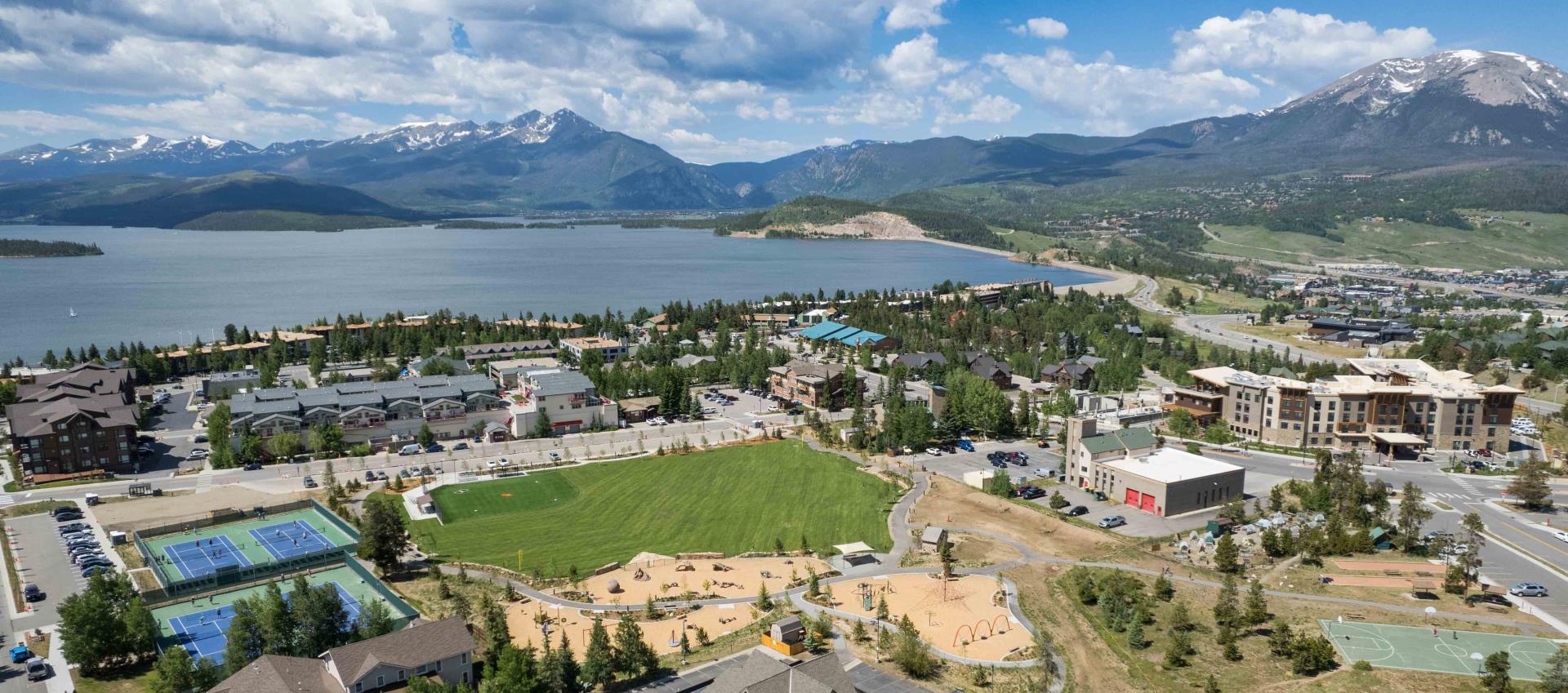
The most dramatic chapter in Dillon’s history began not with gold or silver but with water. As early as the 1910s, Denver Water had been eyeing the Blue River Basin as a potential source for the growing Front Range population. The plan crystallized in the 1950s: a massive earth-filled dam would be constructed just downstream from the town, and the resulting reservoir would drown the entire valley — and with it, the fourth incarnation of Dillon. In 1956, residents and business owners received formal notice that they had two choices: sell and leave, or move. By September 1961, the relocation was underway. A new 172-acre town site had been set aside on a hillside one mile north and 160 feet higher, on the edge of what would become the reservoir’s northeastern shore. Even the town cemetery was moved — all 327 graves relocated to a new site northeast of the new town before water began to rise.
The physical relocation was a remarkable feat of community determination and pragmatic grief. Those who chose to move their structures bore the full cost themselves; many could not afford to and simply abandoned or demolished their buildings. But a determined few made the move: the Dillon Community Church, the Town Hall, the Arapaho Café and Motel, the Odd Fellows Hall, and at least ten private homes were transported to the new site and still stand today. Other buildings found new homes in neighboring communities — the Hamilton-Dillon Hotel was moved to Breckenridge, while several structures ended up in what would become Silverthorne. Construction on Dillon Dam officially began in 1961 and was completed on July 1, 1963. When the Blue River was finally dammed and the water began to rise, it submerged the original Old Dillon under what is now 250 feet of water at the reservoir’s deepest point. The old town is still down there — an underwater ghost town visible to divers on clear summer days.
The engineering challenge of moving Dillon’s water to Denver was almost as audacious as moving the town itself. Dillon sits on the west side of the Continental Divide, and Denver lies nearly 60 miles to the east. Denver Water’s solution was the Harold D. Roberts Tunnel, a 23-mile bore through the heart of the Divide — at the time of its completion in 1962, the longest water diversion tunnel in the world. It took 18 years for crews boring from each end to meet in the middle. Today, the Dillon Reservoir holds up to 83 billion gallons of water, supplying a significant portion of the Denver metro area’s needs, and the Roberts Tunnel continues to move that water across the Divide every single day.
Lake Dillon and the Marina: Colorado’s High-Altitude Waterfront
The reservoir that displaced an entire town has become Dillon’s greatest asset — a 3,233-acre mountain lake ringed by 26 miles of shoreline with the Ten Mile Range, the Gore Range, and the slopes of Keystone Mountain rising from its banks on three sides. In summer, Lake Dillon is one of the most visually spectacular bodies of water in the Rocky Mountain West, its surface reflecting the surrounding peaks in conditions that can shift within hours from glassy calm to whitecapped chop as afternoon mountain winds sweep down from the ridges.
The Dillon Marina anchors the lakefront experience as the highest deep-water marina in North America — a title that gives Dillon a genuine distinction no other Colorado town can claim. The marina offers a comprehensive fleet of rentals including pontoon boats, Catalina sailboats, kayaks, stand-up paddleboards, and canoes, along with sailing lessons for beginners and guided sunset sailing tours for those who want to experience the lake with expert company. A water taxi connects the Dillon Marina with the Frisco Marina on the reservoir’s southern shore — a scenic crossing that makes a perfect one-way bicycle trip around the lake. The marina’s Lakeside Tiki Bar, with its waterfront deck and views of the surrounding peaks, has become one of the most beloved warm-weather gathering spots in Summit County.
Fishing on Lake Dillon is excellent and accessible to anglers of all skill levels. Colorado Parks and Wildlife stocks the reservoir annually with 50,000 rainbow trout, and wild brown trout also inhabit the deeper water. Fishing from the shore, from a rental boat, or on a guided pontoon expedition are all popular options. In winter, when the reservoir freezes solidly enough, ice fishing draws enthusiasts from across the Front Range — Dillon Reservoir is one of the closest high-quality ice fishing destinations to Denver, and guided ice fishing trips with local outfitters provide all the equipment and knowledge needed for a successful day on the frozen lake.
The Reservoir Loop Trail and Summit County’s Outdoor Playground
The 18-mile paved Dillon Reservoir Loop Trail is one of the finest recreational paths in Colorado, circumnavigating the entire reservoir through a succession of landscapes that range from lakeside meadows and marshlands to dense conifer forest and the dramatic climb over Swan Mountain to Sapphire Point — a viewpoint perched at 9,500 feet with arguably the finest panoramic view of the reservoir and its mountain backdrop anywhere on the loop. The trail is accessible at multiple points around the lake, passes through the towns of Dillon, Silverthorne, and Frisco, and accommodates walkers, runners, cyclists, and inline skaters. The water taxi between Dillon and Frisco makes it easy to do the loop one-way and return by boat, combining two of the reservoir’s best experiences in a single outing.
Beyond the reservoir loop, Dillon serves as the trailhead for some of Summit County’s most rewarding hiking and mountain biking terrain. The Dillon Nature Preserve offers two accessible trails — the Meadow Trail and the Ridge Trail Loop — along with small footpaths descending to the lake’s edge that are popular with anglers and wildlife watchers. The surrounding White River National Forest holds hundreds of miles of trails for more serious hikers and mountain bikers, with Keystone Resort offering lift-served mountain biking in summer on terrain that rivals the best in the state. Summit County’s network of paved recreational paths connects Dillon to Frisco, Breckenridge, Copper Mountain, and Keystone, making it possible to explore the entire county by bicycle without ever touching a highway.
Winter transforms Dillon’s outdoor landscape into a different kind of paradise. The town sits at the center of a ski universe with five resorts — Keystone (5 miles), Breckenridge (7 miles), Arapahoe Basin (10 miles), Copper Mountain (8 miles), and Loveland (12 miles) — all within a 30-minute drive. This concentration of world-class terrain makes Dillon the most versatile ski basecamp in Colorado, allowing visitors to ski a different mountain every day for a week without repeating. Beyond the ski areas, Nordic skiing, snowshoeing, fat biking, and kite skiing on the frozen reservoir provide winter recreation options for those who prefer to stay off the groomed runs.
The Dillon Amphitheater: Live Music on the Lake
Set directly on the shore of the reservoir with the Ten Mile Range rising behind the stage, the Dillon Amphitheater is one of the most scenically extraordinary outdoor concert venues in the American West. With seating for 3,656 and a sprawling lawn that accommodates thousands more on blankets and folding chairs, the amphitheater hosts a full summer season of free and ticketed concerts every Friday and Saturday night from June through early September. The programming spans an eclectic range — rock, blues, jazz, folk, orchestral — and has welcomed performers ranging from national headliners like String Cheese Incident and Melissa Etheridge to the celebrated National Repertory Orchestra, which makes the Dillon Amphitheater its summer home for a beloved annual concert series.
The Sunday evening Movies on the Water series in July and August brings a different kind of magic to the amphitheater grounds, projecting classic films against the mountain backdrop as the sun drops behind the ridgeline and the stars emerge over the reservoir. The Dillon Farmers Market, held every Friday from June through September directly adjacent to the amphitheater, transforms the lakefront into a festive weekly gathering with Colorado-grown produce, artisan goods, handmade crafts, local cheese and honey, and live music that runs through the midday hours. The combination of the market in the morning and a lakeside concert in the evening makes Fridays in Dillon one of the quintessential Summit County summer experiences.
The Brewery Trail, Dining, and the Local Scene
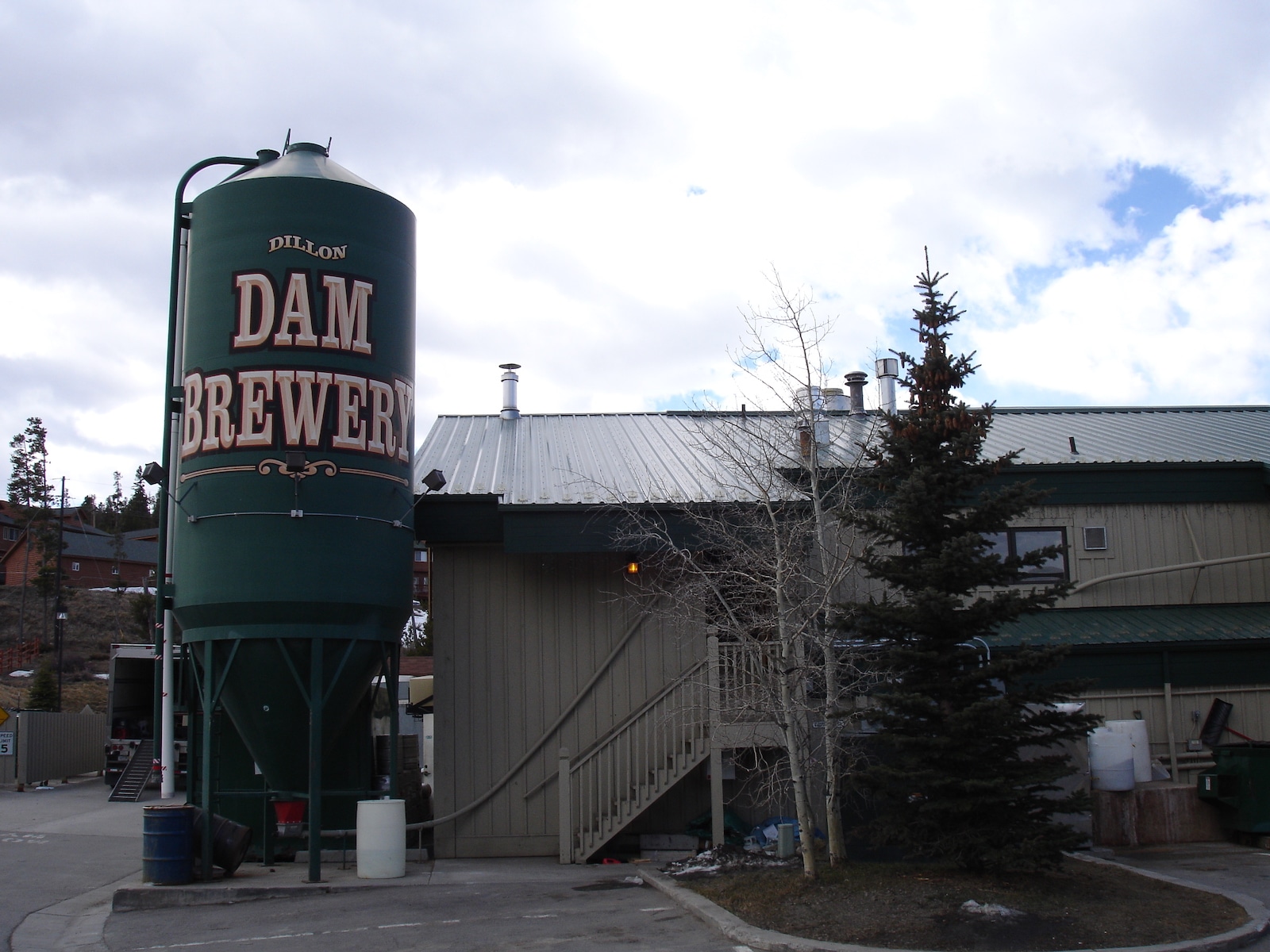
Dillon and neighboring Silverthorne have quietly developed one of the finest craft brewery corridors in the Colorado Rockies, formalized as the Exit 205 Brewery Trail — a self-guided route connecting five breweries between the two towns, all within walking or biking distance thanks to the free Summit County bus service. Dillon Dam Brewery is the anchor of the local brewing scene, a beloved institution whose brewpub overlooks the dam itself and has been pouring its house-crafted ales and lagers to grateful skiers and hikers for decades. Pug Ryan’s Brewery, another Dillon stalwart, combines a full brewing operation with a lively pub atmosphere and expansive mountain views. The trail invites visitors to sample the full range of Summit County’s brewing creativity — from crisp lagers perfectly calibrated for post-ski refreshment to rich stouts and IPAs suited to cold mountain evenings.
The dining scene in Dillon extends well beyond the brewpub circuit. The Arapaho Café, one of the original buildings transported from Old Dillon during the relocation of 1961, is among the most historically resonant dining experiences in Summit County — a restaurant that has been serving the community continuously through the town’s most dramatic transformation. The waterfront dining options at the Dillon Marina, including the Lakeside Tiki Bar, provide the closest thing to a beach restaurant experience available anywhere at this altitude. The Lake Dillon Theatre Company, which stages professional productions throughout the summer season, adds a welcome cultural dimension to Dillon’s evenings beyond the amphitheater and the brewery trail.
The Summit Historical Society and the Schoolhouse Museum
Dillon’s role as the steward of Summit County’s collective memory is embodied in the Summit Historical Society, headquartered in the 1883 Dillon Schoolhouse — one of the original structures saved from Old Dillon and transported to the new town site before the reservoir filled. The Schoolhouse Museum and its companion structures, including the 1885 Myers Cabin and a 1930s Honeymoon Cabin, offer self-guided tours through carefully preserved interiors stocked with artifacts, photographs, and documents that tell the story of Summit County from the Gold Rush era through the dramatic mid-20th-century transformation of the reservoir project.
The Summit Historical Society offers a compelling program of guided adventure tours that bring the region’s history to life beyond the museum walls. Lake Dillon historic boat tours tell the story of Old Dillon from the water, passing over the submerged townsite and offering a genuinely moving perspective on the sacrifice that created the reservoir. Mine tours in the surrounding hills explore the remnants of the gold and silver operations that first brought settlers to Summit County, and guided hikes along the Old Dillon Reservoir Trail — where the original 1930s infrastructure is still visible above the waterline — connect visitors to the pre-dam landscape in unexpected ways. The Society’s popular Happy Hour and History series, held periodically throughout the year, invites adults to combine a drink with a deep dive into some lesser-known corner of Summit County’s past.
Alpine Climate and Best Times to Visit
At 9,017 feet, Dillon experiences a true alpine subarctic climate with cold winters, short summers, and the dramatic atmospheric swings characteristic of Colorado’s high country. Summer days from June through August are typically warm and sunny, with highs reaching the mid-60s to low 70s Fahrenheit — perfect conditions for boating, cycling, and hiking. Nights cool quickly, often dropping to the low 40s even in midsummer, making for excellent sleeping weather and a reliable reminder that the mountains operate on their own seasonal schedule. Afternoon thunderstorms are a near-daily occurrence from July through mid-August, usually brief but sometimes intense; morning starts are generally the safest window for exposed outdoor activities.
Fall arrives early at this elevation — by mid-September the aspen groves on the surrounding slopes begin their golden transformation, and October days with temperatures in the 50s and clear crystalline skies make for some of the most beautiful driving and hiking conditions of the year. The ski season typically opens at Keystone and Arapahoe Basin as early as October, and by Thanksgiving most of the Summit County resorts are in full operation. Winter temperatures regularly drop well below freezing, with significant snowfall from November through April. Spring is a gradual thaw, with the ski season often extending at A-Basin through May and even into early June in exceptional years — giving Dillon one of the longest effective ski seasons of any basecamp in Colorado.
Planning Your Visit
Getting There: Dillon sits directly on I-70 at Exit 205, approximately 70 miles west of Denver (about 1 hour 15 minutes in normal conditions). Denver International Airport is the primary commercial gateway, roughly 90 miles to the east. Eagle County Regional Airport (EGE) near Vail is approximately 45 miles west. The free Summit Stage bus system connects Dillon to Silverthorne, Frisco, Breckenridge, Keystone, and Copper Mountain, making a car optional once you’re in Summit County. Epic Mountain Express and other shuttle services provide direct transfers from DIA.
Getting Around: Dillon’s compact downtown is walkable, with the marina, amphitheater, farmers market, and most restaurants and shops clustered along the lakefront. The free Summit Stage buses run frequent routes to all five nearby ski resorts and neighboring towns — an excellent option for ski days that avoids parking headaches and mountain road stress. The Dillon Reservoir Loop Trail and Summit County’s paved pathway network make cycling between towns entirely feasible in summer.
Best Time to Visit: Summer (June through September) for Lake Dillon boating, the amphitheater concert series, the farmers market, and hiking. Winter (November through April) for ski access to five resorts and ice fishing on the reservoir. Fall (mid-September through October) for spectacular aspen color and quieter conditions. Spring skiing at Arapahoe Basin often extends into May or June, making late spring a surprisingly active shoulder season.
Lodging & Budget: Dillon and neighboring Silverthorne offer some of the most affordable lodging in Summit County — significantly less expensive than staying slope-side in Breckenridge, Keystone, or Vail, while remaining within easy reach of all five ski areas via the free bus. Options range from budget-friendly chain hotels and the Best Western Ptarmigan Lodge to vacation rental condos and cabins with reservoir views. The town also hosts the world’s highest-elevation KOA campground, a popular summer option for those who want to sleep under the stars at 9,000 feet.
Whether you arrive chasing powder at five world-class ski mountains, sailing a Catalina across a 9,000-foot reservoir, cycling 18 miles of paved lakeshore trail, or simply sitting in the amphitheater as a summer concert echoes off the Gore Range at dusk, Dillon delivers a Summit County experience that is broader, calmer, and more layered than the resort towns that surround it. It is a town with an underwater past and a waterfront present — and one of the best-positioned bases in all of Colorado for exploring the high country in every direction.
Related Articles
Explore more Colorado adventures and expert guides:
- Breckenridge, Colorado: Summit County’s Most Iconic Mountain Town
- Keystone Resort: A Complete Guide to Summit County’s Family Ski Destination
- Arapahoe Basin: Colorado’s Highest and Longest Ski Season
- Frisco, Colorado: The Basecamp Town at the Heart of Summit County
- Copper Mountain: Summit County’s Best-Kept Ski Secret