
Grand Lake, Colorado
Colorado’s Largest Natural Lake — The West Portal of Rocky Mountain National Park
Grand Lake sits high up—8,369 feet—on the western edge of Rocky Mountain National Park. This is where the Colorado River is still young, and the mountains shoot up on three sides. The town’s tiny, barely 500 people live here year-round. There’s one main street, lined with old wooden storefronts, leading down to a boardwalk right above the lake. Look northwest, and the Never Summer Range fills the horizon. Sure, it’s small, but the setting makes up for it: Grand Lake is Colorado’s biggest and deepest natural lake, carved by glaciers and covering 507 acres. When the water’s calm, the peaks around it look so sharp and clear on its surface, people just stop and pull out their phones. To the south, Shadow Mountain Lake and Granby Reservoir stretch out in a string—together, they make this one of Colorado’s top spots for boating and fishing.
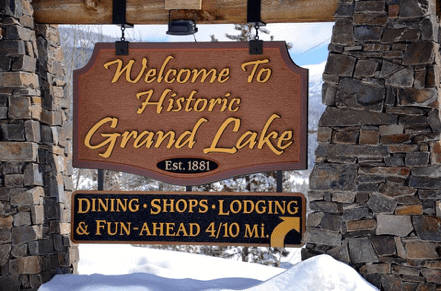
Two things built the town’s character, and they’ve coexisted since the late 1800s: its roots as a real mountain community, with ranching and mining in its bones, and its job as the western gateway into Rocky Mountain National Park. Grand Lake village was laid out back in 1881, and you can still feel that history. Unlike a lot of other Colorado resort towns, the old boardwalk’s been there for more than a hundred years. Every summer, the lake hosts yacht races—some of the highest regattas in the world. The historical society here actually keeps a real archive of the valley’s past. Tourism comes and goes, in summer and winter, but it fits around what’s already here instead of flattening it. So the place never feels fake or built just for visitors, which sets it apart from a lot of other mountain resorts.
If you’re visiting, Grand Lake pulls off something rare. It’s the best entry point to the west side of the park—fewer people, more wildlife, and the Colorado River’s headwaters. But it’s also its own outdoor playground, with top-notch boating, fishing, snowmobiling, and Nordic skiing that have nothing to do with the park itself. That mix makes Grand Lake one of the most versatile mountain towns in Colorado, perfect if you want big scenery and outdoor adventure but don’t feel like elbowing through crowds at the big ski resorts along the Front Range.
Quick Facts
| Category | Details |
| County | Grand County |
| Elevation | 8,369 feet (2,551 m) |
| Population | ~470 year-round; significantly larger in summer |
| Region | Northern Colorado / Grand County |
| Lake | Grand Lake — Colorado’s largest natural lake (507 acres, 265 feet deep) |
| National Park | Rocky Mountain National Park (west entrance) |
| Connected Lakes | Shadow Mountain Lake and Lake Granby to the south |
| Avg. Summer High | 75°F (July) |
| Avg. Winter Low | 6°F (January) |
| Annual Snowfall | ~120 inches |
| Nearest Town | Granby (8 miles south); Estes Park (via Trail Ridge Road, seasonal) |
| Best Seasons | Summer (July–August) and Winter (January–March for snowmobiling) |
Getting There
Grand Lake is located on US-34, which serves double duty as the road into Rocky Mountain National Park from the west. From Denver, the most direct route follows I-70 west to US-40 at Empire, then US-40 over Berthoud Pass (11,307 feet) and through the Fraser Valley to Granby, where US-34 heads north 8 miles to Grand Lake — a total of roughly 100 miles and about two hours under normal driving conditions. An alternative route follows US-36 through Boulder and Lyons to Estes Park on the eastern park entrance, then crosses Trail Ridge Road through the park to emerge at Grand Lake on the west side — a spectacularly scenic option that adds significant time and requires Trail Ridge Road to be open (typically late May through mid-October). Denver International Airport is the practical hub for most visitors; no commercial airport serves Grand County directly, though Granby-Grand County Airport handles general aviation.
Grand Lake & Water Recreation
Grand Lake is the centerpiece of the town and one of the most beautiful bodies of water in Colorado — a 507-acre glacially formed lake at 8,369 feet, reaching depths of 265 feet, with water clarity that reflects the surrounding peaks and forests like a mirror on calm summer mornings. The lake is fed primarily by the East Inlet and North Inlet streams flowing down from Rocky Mountain National Park, and its outlet flows south into Shadow Mountain Lake and then Lake Granby, creating a chain of connected water that is collectively managed as the Colorado-Big Thompson Project. For boaters and anglers, the three connected lakes represent one of the finest freshwater recreation systems in the Rocky Mountains.
Boating
Grand Lake allows motorized boating — a rarity for a Colorado mountain lake at this elevation and proximity to a national park. The town marina on the south shore offers boat rentals including pontoon boats, fishing boats, kayaks, canoes, and stand-up paddleboards. Private boats can be launched at the public boat ramp. The lake is large enough for sailing, and the Grand Lake Yacht Club — founded in 1902 and claiming to be the world’s highest yacht club at 8,369 feet — hosts a summer racing series that has continued without interruption for over a century. The annual Lipton Cup regatta in August is the flagship event.
Fishing
Grand Lake and its connected waters are among the best fishing destinations on Colorado’s Western Slope. The lake holds rainbow, brown, and lake trout, with the lake trout fishing in particular drawing dedicated anglers from across the state. Shadow Mountain Lake and Lake Granby are excellent for kokanee salmon, which run in late summer and early fall and draw both sport anglers and bald eagles that congregate to feed on the run. The Colorado River above the lakes, in its headwaters form within Rocky Mountain National Park, holds wild cutthroat trout in clear, cold water. Ice fishing on Grand Lake in winter is a local tradition, with shanties dotting the frozen surface from December through March.
Kayaking & Paddling
The calm mornings on Grand Lake — before afternoon winds pick up — are exceptional for kayaking and stand-up paddleboarding. The shoreline has interesting coves to explore, the inlet streams from the national park provide paddling routes into quieter water, and the views of the Never Summer Range from water level are spectacular. Rentals are available at the marina and from several outfitters in town. The connected lakes — Shadow Mountain and Granby — offer miles of additional paddling in a more open, marshy environment with excellent wildlife viewing.
Swimming
Grand Lake has a public beach near the town marina with a swimming area. The water is cold — even in August the surface temperature rarely exceeds 65 degrees Fahrenheit — but the beach is popular on warm summer days, particularly with families. The clarity of the water makes it visually inviting; the temperature is what most visitors discover upon entry. Wetsuits are not required but would not be out of place for extended swimming.
Rocky Mountain National Park — The West Side
Most visitors to Rocky Mountain National Park enter from the east through Estes Park, drive up Trail Ridge Road, and turn around before descending to the western side. This means that the Grand Lake entrance and the Kawuneeche Valley stretching north from it receive a fraction of the visitor pressure of the park’s eastern and central areas — and a great deal more in the way of wildlife sightings, river access, and genuine backcountry feel. The Colorado River is born in this valley, beginning as a small mountain stream at La Poudre Pass and gathering volume as it flows south through the Kawuneeche. Moose — not native to Colorado but introduced in 1978 and now thriving — are regularly seen in the willows along the river. The elk population in the valley is substantial, and black bears move through the meadows in late summer.
Kawuneeche Valley
The Kawuneeche Valley (the name is Arapaho for ‘coyote creek’) runs approximately 18 miles from Grand Lake north to the Alpine Visitor Center near Fall River Pass, paralleled by Trail Ridge Road on the east side and the young Colorado River on the valley floor. The Kawuneeche Visitor Center, located just inside the west entrance from Grand Lake, is the starting point for west-side exploration and provides trail maps, wildlife information, and ranger programs. The valley meadows are prime moose habitat — early morning and evening drives along the valley road are among the most reliable moose viewing opportunities in Colorado.
Trail Ridge Road
Trail Ridge Road, the highest continuous paved highway in the United States, crests at 12,183 feet and connects Grand Lake on the west to Estes Park on the east across 48 miles of spectacular alpine terrain. The road is typically open from late May through mid-October, depending on snowpack. Driving it from Grand Lake is an ascending journey through montane forest, subalpine spruce and fir, and ultimately open tundra above treeline with views stretching to the horizon in every direction. The Alpine Visitor Center near the summit is a worthwhile stop, and several short tundra walks allow close inspection of the fragile alpine ecosystem.
Key West-Side Trails
- East Inlet Trail — begins at the East Inlet trailhead at the east end of Grand Lake town and follows the East Inlet stream into the park through meadows and forest; Adams Falls (0.3 miles) is an easy first destination; the trail continues to Lake Verna (7 miles) and Spirit Lake for longer excursions
- North Inlet Trail — a longer valley trail entering the park from the north side of Grand Lake; leads to Cascade Falls (3.7 miles), Ptarmigan Creek (7 miles), and ultimately to Grand Lake via Tonahutu Creek in a long loop
- Tonahutu Creek Trail — one of the premier wilderness trails on the west side, following Tonahutu Creek north from Grand Lake into the heart of the park’s western backcountry; the Green Mountain Loop (8.8 miles) is a classic day hike
- Colorado River Trail — follows the young Colorado River north from the Timber Lake trailhead through the Kawuneeche Valley; very flat, excellent for wildlife viewing and families; moose sightings frequent
- Timber Lake Trail — a demanding 9.6-mile round trip climbing 2,000 feet to a beautiful subalpine lake; one of the best west-side hikes for solitude and high-country scenery
- Crater Lake — accessible from the Onahu Creek trailhead, a moderate hike to a scenic cirque lake that sees a fraction of the traffic of the east-side lakes
Backcountry & Wilderness Camping
The west side of Rocky Mountain National Park has abundant backcountry campsites accessible from Grand Lake trailheads, and permit competition is significantly lower than for east-side sites near Bear Lake and Glacier Gorge. Backcountry permits are required and are available through recreation.gov — the west-side sites along the North Inlet, Tonahutu, and East Inlet drainages are among the park’s finest wilderness camping destinations. The Kawuneeche Valley sites allow access to moose habitat that most park visitors never reach on foot.
Park Entry & Timed Passes
Rocky Mountain National Park requires timed entry permits during the peak season (late May through mid-October) for entry between 9 AM and 3 PM. The west side (Grand Lake entrance) has its own separate permit system from the east side (Estes Park entrance), and west-side permits are generally easier to obtain. Check recreation.gov for current permit requirements before visiting. Annual America the Beautiful passes cover park entry fees.
Snowmobiling
Grand Lake is one of Colorado’s premier snowmobiling destinations — a reputation that draws winter visitors who may be entirely unaware of the town’s summer identity. The Grand Lake area has over 300 miles of groomed snowmobile trails maintained by the Grand Lake Area Snowmobile Club, making it one of the largest groomed trail networks in Colorado. The trails wind through the national forest, across frozen lakes, and into the high country above town, with access to backcountry terrain that extends toward Granby, Winter Park, and Steamboat Springs for experienced riders doing multi-day trips.
Trail Network
The groomed trail system radiates from Grand Lake in several directions. Trails head south along the lake chain toward Granby and Lake Granby, west into the Arapaho National Recreation Area, and north into the national forest toward Bowen Gulch and the park boundary. The Meadows trail system offers easier riding for beginners and families, while the high-country routes above 10,000 feet demand more experience and appropriate gear. Trail conditions are reported daily on the Grand Lake Area Snowmobile Club website during the season.
Rentals & Tours
Several outfitters in Grand Lake offer snowmobile rentals by the hour or day, along with guided tours for visitors unfamiliar with the terrain. Spirit Lake Rentals and Grand Adventures are among the established operators. Guided tours are strongly recommended for first-time riders or those unfamiliar with high-altitude winter conditions — the terrain can be disorienting in flat light or snowfall, and the consequences of becoming lost or stuck in the backcountry at 9,000-plus feet are serious.
Winter Safety
Winter riding in the Grand Lake area requires appropriate cold-weather gear — full snowmobile suits, helmets, goggles, and waterproof gloves. Temperatures regularly drop below zero at night, and afternoon storms can reduce visibility quickly. Always ride with a partner, carry a charged phone with offline trail maps downloaded, and let someone know your planned route and expected return time before heading out.
Nordic Skiing & Winter Recreation
While Grand Lake is not home to a downhill ski resort, it sits within easy driving distance of Winter Park Resort (30 miles south) and offers excellent Nordic skiing, snowshoeing, and winter hiking in its own right. The national forest and national park land surrounding the town provides miles of ungroomed winter terrain, and Shadow Mountain Lake and Grand Lake’s frozen surfaces are accessible for ice skating and ice fishing during cold snaps.
Grand Lake Touring Center
The Grand Lake Touring Center operates a network of groomed Nordic ski trails in the meadows south of town, offering classic and skate skiing on terrain suited to all ability levels. The center rents equipment and provides lessons, making it an accessible introduction to Nordic skiing for beginners. The open meadow setting with mountain views makes for beautiful skiing even on overcast days.
Rocky Mountain National Park Snowshoeing
The national park’s west-side trails are excellent for snowshoeing in winter. The East Inlet Trail to Adams Falls is a popular and easily accessible snowshoe route. The Kawuneeche Valley road, plowed to the Timber Lake trailhead in winter, provides a flat snowshoe route along the Colorado River with high odds of moose sightings. Snowshoe rentals are available in town. Check the national park website for current winter trail conditions and closures.
Ice Fishing
Ice fishing on Grand Lake is a cherished winter tradition. The lake typically freezes solid by late December and remains safe for fishing through March in most years. Lake trout, rainbow trout, and yellow perch are the primary targets. Anglers drill holes through ice that can be several feet thick and set up tip-ups or fish with jigging rods. Ice shanties are commonly used for comfort during longer sessions. A Colorado fishing license and compliance with Grand Lake’s specific fishing regulations are required.
Winter Park Resort (30 miles south)
For downhill skiing and snowboarding, Winter Park Resort is the natural complement to a Grand Lake stay — 30 miles south via US-40 over Berthoud Pass. Winter Park is one of Colorado’s largest and most varied ski areas, with 3,081 acres of terrain, a 3,060-foot vertical drop, and a dedicated mogul skiing reputation that has produced Olympic athletes. The Divide, Mary Jane, and Vasquez Cirque terrain areas offer challenging expert terrain; the Moffat Tunnel provides Amtrak’s Winter Park Express train service from Denver’s Union Station on weekends.
Hiking & Summer Outdoor Recreation
Beyond the national park trails described above, the Arapaho National Recreation Area surrounding Shadow Mountain Lake and Lake Granby provides extensive trail and road access for hiking, mountain biking, and wildlife viewing. The forests between Grand Lake and Granby are managed for multiple use and offer dispersed camping, OHV trails, and backcountry hiking that complements the more regulated national park experience.
Shadow Mountain Lookout Tower
One of the most rewarding hikes near Grand Lake, the Shadow Mountain Lookout trail climbs 1,500 feet over 4.5 miles round trip to a restored fire lookout tower on Shadow Mountain at 9,923 feet. The summit offers sweeping panoramic views of Grand Lake, Shadow Mountain Lake, Lake Granby, and the peaks of Rocky Mountain National Park stretching north. The tower is staffed seasonally by the Forest Service and is one of the few active fire lookouts in Colorado that visitors can climb. The trailhead is located near the Shadow Mountain Dam south of town.
Arapaho National Recreation Area
The Arapaho National Recreation Area encompasses Lake Granby, Shadow Mountain Lake, and the lands surrounding both, managed by the Forest Service for camping, boating, fishing, and OHV use. The recreation area has multiple boat ramps and campgrounds, and the open water of Lake Granby — significantly larger than Grand Lake at over 7,000 acres — provides extensive boating and fishing opportunities. Stillwater, Arapaho Bay, and Green Ridge campgrounds are the main developed camping areas.
Mountain Biking
Mountain biking around Grand Lake is primarily trail- and road-based on Forest Service land south and west of town. The Granby Ranch and Ski Granby Ranch area has developed mountain bike trails that are accessible in summer. The county roads and forest routes in the Grand County area provide miles of gravel riding through ranch country and forest with minimal traffic. For serious singletrack, Winter Park’s Fraser Valley trail system (30 miles south) is one of Colorado’s premier mountain biking destinations with over 600 miles of trails.
Wildlife Viewing
Grand Lake and the Kawuneeche Valley are among the most productive wildlife viewing areas in Colorado. Moose are the signature species — introduced to Grand County in 1978 from Utah and Wyoming, the population has grown to several hundred animals and they are commonly seen in the willows along the Colorado River headwaters north of town. Elk herds move through the valley seasonally; the fall rut in September and October brings bugling bulls into the meadows. Black bears are active through summer and fall, particularly near berry patches. Bald eagles congregate at Lake Granby during the kokanee salmon run in late September and October. Pronghorn are seen on the open ranch land south of Granby.
Grand Lake Village & The Boardwalk
Grand Lake Village is Colorado’s oldest incorporated town on the Western Slope, and its main street — Grand Avenue — retains an authenticity that is increasingly rare in Colorado mountain communities. The wooden boardwalk fronting the south shore of the lake has been a fixture since the early 20th century, and the storefronts along Grand Avenue house the same mix of independent restaurants, ice cream shops, outfitters, galleries, and general stores they always have, with relatively few chain businesses in the mix. Walking the boardwalk at sunset, with the lake mirroring the colors of the sky and the Never Summer peaks catching the last light, is one of the genuinely beautiful simple experiences Colorado offers.
Restaurants & Dining
- G.’s Garden Grill — a Grand Lake institution; the go-to for a full dinner with a menu covering steaks, seafood, pasta, and burgers in a cozy setting steps from the boardwalk
- Pancho & Lefty’s Cantina — popular Mexican restaurant on Grand Avenue with solid green chile, margaritas, and a lively atmosphere; the most consistently busy spot in town on summer evenings
- The Sagebrush BBQ & Grill — beloved local spot known for smoked meats, hearty sides, and a relaxed Western atmosphere; the best place for a post-hike or post-snowmobile meal
- Grand Lake Lodge Restaurant — the historic lodge above the lake serves breakfast and dinner with arguably the finest view of any dining room in Grand County; the deck is extraordinary in summer
- Lariat Saloon — long-running bar and grill with a Western character, cold beers, and a comfortable neighborhood feel; a good late-evening option
- Slogar’s Country Inn — old-school country cooking in a historic setting; known for family-style fried chicken dinners and an atmosphere unchanged since the mid-20th century
Shopping & Local Businesses
- Grand Lake Pharmacy — an old-fashioned pharmacy and soda fountain that has operated continuously since 1920; the egg creams and malted milkshakes are not to be missed
- Rocky Mountain Chocolate Factory — house-made fudge, truffles, and dipped fruit; a boardwalk staple
- Lure of the Wild — outfitter and gear shop on Grand Avenue covering fishing licenses, tackle, outdoor clothing, and basic camping supplies
- Grand Lake Arts & Craft Center — local artist cooperative showing and selling work from Grand County artists; good for original gifts and art
Grand Lake Lodge
Grand Lake Lodge is one of Colorado’s historic treasures — a mountain lodge built in 1920 that Teddy Roosevelt reportedly called ‘the Showplace of the Rockies.’ The lodge sits on a hillside above Grand Lake on the edge of Rocky Mountain National Park, and the main porch and dining room command one of the most stunning views in Colorado: Grand Lake in the foreground, Shadow Mountain Lake behind it, the peaks of the park rising to the north, and the valley stretching south toward Granby. The lodge operates as an upscale resort with cabins, a swimming pool, and the dining room, and it is open from late May through late September. Reservations are essential and book out months in advance for summer weekends. Even non-guests can visit the main lodge for meals or simply to experience the view from the porch.
Where to Stay
Lodging in Grand Lake ranges from the historic Grand Lake Lodge and lakefront cabins to vacation rentals, small inns, and campgrounds throughout the national recreation area. Given the town’s small size, the total inventory of lodging is limited — summer weekends, particularly July and August, book out well in advance. Winter snowmobile weekends in January and February are similarly constrained.
Historic & Boutique
- Grand Lake Lodge — the historic 1920 lodge with cabins and mountain views; the most atmospheric property in the area; open late May through September
- Western Riviera Lakeside Cabins & Motel — direct lakefront accommodations on Grand Lake’s south shore with private docks; extremely limited availability; book months ahead for summer
- Grand Lake Motor Inn — comfortable, centrally located rooms walking distance to the boardwalk and marina; a reliable mid-range option
Vacation Rentals
Vacation rental cabins and homes represent the bulk of overnight capacity in Grand Lake. VRBO and Airbnb listings cover properties ranging from cozy one-bedroom lakeside cabins to large family homes sleeping 10 or more. Many properties on or near the lake are rented by the week in summer. Booking 3 to 6 months ahead is advisable for July and August; winter snowmobile weekends should be booked similarly.
Camping
- Timber Creek Campground (Rocky Mountain NP) — the only national park campground on the west side; 98 sites along the Colorado River in the Kawuneeche Valley; open May through November; reserve at recreation.gov
- Arapaho Bay Campground (Arapaho NRA) — 84 sites on the south shore of Lake Granby; the most scenic campground in the national recreation area; book early
- Green Ridge Campground (Arapaho NRA) — 78 sites on Shadow Mountain Lake; good fishing and boating access; a practical base for lake recreation
- Stillwater Campground (Arapaho NRA) — 128 sites on Lake Granby; the largest campground in the area; more open and less wooded than Arapaho Bay
Events & Festivals
Buffalo BBQ (June)
One of Grand Lake’s most beloved summer traditions, the Buffalo BBQ is a community event featuring buffalo burgers, live music, crafts, and a convivial small-town atmosphere that has drawn visitors to Grand Avenue for decades. The event celebrates the ranching heritage of Grand County alongside the town’s summer season opening.
Grand Lake Regatta & Lipton Cup (August)
The Grand Lake Yacht Club’s summer racing series culminates in the Lipton Cup regatta, a sailing competition on Grand Lake that has been held since the early 1900s. The races are contested at the world’s highest yacht club altitude, and the spectacle of colorful sails against the backdrop of the Never Summer Range is one of the most visually distinctive summer events in Colorado. Spectators can watch from the boardwalk and shoreline.
Western Week (July)
Grand Lake’s annual celebration of its Western heritage features a parade down Grand Avenue, a rodeo, melodrama performances, costume contests, and community events spread over several days in mid-July. The event draws visitors from across Grand County and is one of the town’s largest annual gatherings.
Snowmobile Racing (January–February)
Grand Lake’s snowmobile culture extends to organized racing on the lake surface during winter weekends, with drag racing and other competitions that draw participants and spectators from across Colorado and neighboring states. The racing events are anchored around the snowmobile trail network and contribute significantly to the town’s winter economy.
Elk Festival (October)
Timed to coincide with the fall elk rut in Rocky Mountain National Park, the Elk Festival offers ranger-led bugling tours in the Kawuneeche Valley, photography workshops, educational programs, and evening events in Grand Lake village. October is one of the finest months to visit Grand Lake — the aspen color peaks, the crowds thin dramatically, and the elk are highly active.
Day Trips from Grand Lake
Estes Park via Trail Ridge Road (1.5–2 hours when open)
When Trail Ridge Road is open — typically late May through mid-October — the drive from Grand Lake east through Rocky Mountain National Park to Estes Park is one of the greatest mountain drives in North America. The road crests at 12,183 feet, crosses miles of open tundra, and provides views of the Front Range that are simply unavailable from any other paved road. Stopping at the Alpine Visitor Center near the summit is worthwhile. Allow two to three hours for the crossing with stops, and watch for wildlife — elk, marmots, and ptarmigan are commonly seen at and above treeline.
Winter Park & Fraser Valley (30 miles south)
Winter Park and the Fraser Valley are the natural complement to Grand Lake for visitors who want more urban amenities, a broader restaurant selection, or downhill skiing. Winter Park Resort is one of Colorado’s largest ski areas, and the Fraser Valley has its own restaurant and shopping scene. The drive south on US-40 over Berthoud Pass is scenic year-round, with the pass itself providing good views of the Front Range.
Steamboat Springs (2 hours northwest)
For a longer day trip or overnight, Steamboat Springs is approximately 2 hours northwest via US-40 through Kremmling and the Yampa Valley. Steamboat is known for its famous ‘Champagne Powder’ snow, its Western ranching culture, the Strawberry Park Hot Springs, and a lively downtown with excellent restaurants and breweries. The drive through the Yampa Valley is beautiful, particularly in fall when ranch meadows turn golden and elk are visible in the fields.
Hot Sulphur Springs (20 miles southwest)
For a low-key hot springs experience close to Grand Lake, Hot Sulphur Springs Resort & Spa in the town of Hot Sulphur Springs is about 20 miles southwest via US-40. The springs have been developed since 1903 and include 21 pools of varying temperatures. The setting is simpler and less developed than the Springs Resort in Pagosa Springs, with a county park feel and reasonable day-pass prices. The drive along the Colorado River through Granby and Hot Sulphur Springs canyon is scenic throughout.
Practical Information
Altitude & Acclimatization
Grand Lake sits at 8,369 feet — high enough to affect most visitors arriving from sea level or the plains. The typical symptoms of mild altitude sickness (headache, disrupted sleep, reduced stamina) are common for the first 24 to 48 hours. Drinking extra water, avoiding alcohol on arrival day, and not over-exerting on day one reduces discomfort considerably. Trails in Rocky Mountain National Park climb well above 10,000 feet, and the drive over Trail Ridge Road reaches 12,183 feet — give yourself time to adjust before ambitious hikes.
Weather & Afternoon Thunderstorms
Summer afternoons at Grand Lake frequently bring lightning thunderstorms building over the peaks. Plan outdoor activities, particularly hikes into Rocky Mountain National Park, for early morning starts — aim to be below treeline or heading back to the trailhead by early afternoon from June through August. Afternoon storms can develop rapidly and lightning on exposed tundra above treeline is a serious hazard. Layers are essential even in summer; temperatures can drop 20 degrees Fahrenheit or more when a storm moves through.
Services & Supplies
Grand Lake is a small town with limited services. The town has a grocery store and basic supplies on Grand Avenue, but for significant provisioning, Granby (8 miles south) has a larger grocery store and more retail. For medical services, Grand County has a clinic in Granby; the nearest hospital is in Kremmling or Granby depending on urgency. Cell service in Grand Lake proper is adequate with major carriers but drops off quickly on national park trails and backcountry roads. Download offline maps before heading into the park or national forest.
Bear Awareness
Black bears are active throughout the Grand Lake area, particularly in late summer and fall as they build fat reserves before winter. Store food in bear-resistant containers or hang it properly when camping. Do not leave food, coolers, or scented items in vehicles overnight — bears in the Grand Lake area have learned to break into cars. The national park provides bear boxes at all backcountry campsites, and their use is required. If you encounter a bear, do not run — make yourself large, speak firmly, and back away slowly.
Visitor Information
The Grand Lake Area Chamber of Commerce visitor center is located on Grand Avenue in town and provides maps, lodging referrals, and current conditions. The Rocky Mountain National Park Kawuneeche Visitor Center, just inside the west entrance on US-34, is the best source for trail conditions, wildlife sighting reports, and backcountry permit information for west-side park travel.
Related Articles
- Rocky Mountain National Park: A Complete Visitor’s Guide — East and West Sides
- Trail Ridge Road: America’s Highest Paved Highway and What to Know Before You Drive
- Snowmobiling Grand Lake: 300 Miles of Groomed Trails in Colorado’s High Country
- Winter Park Resort & the Fraser Valley: Skiing, Biking, and Mountain Life South of Grand Lake
- Moose Watching in Colorado: Where to Find the State’s Most Iconic Wildlife